Most Palermo guides focus on the same things: cathedrals, cocktails, beaches and “hidden gems” that are no longer hidden.
But Palermo is best when it feels slightly chaotic, theatrical and difficult to fully understand. That is when the city becomes unforgettable.
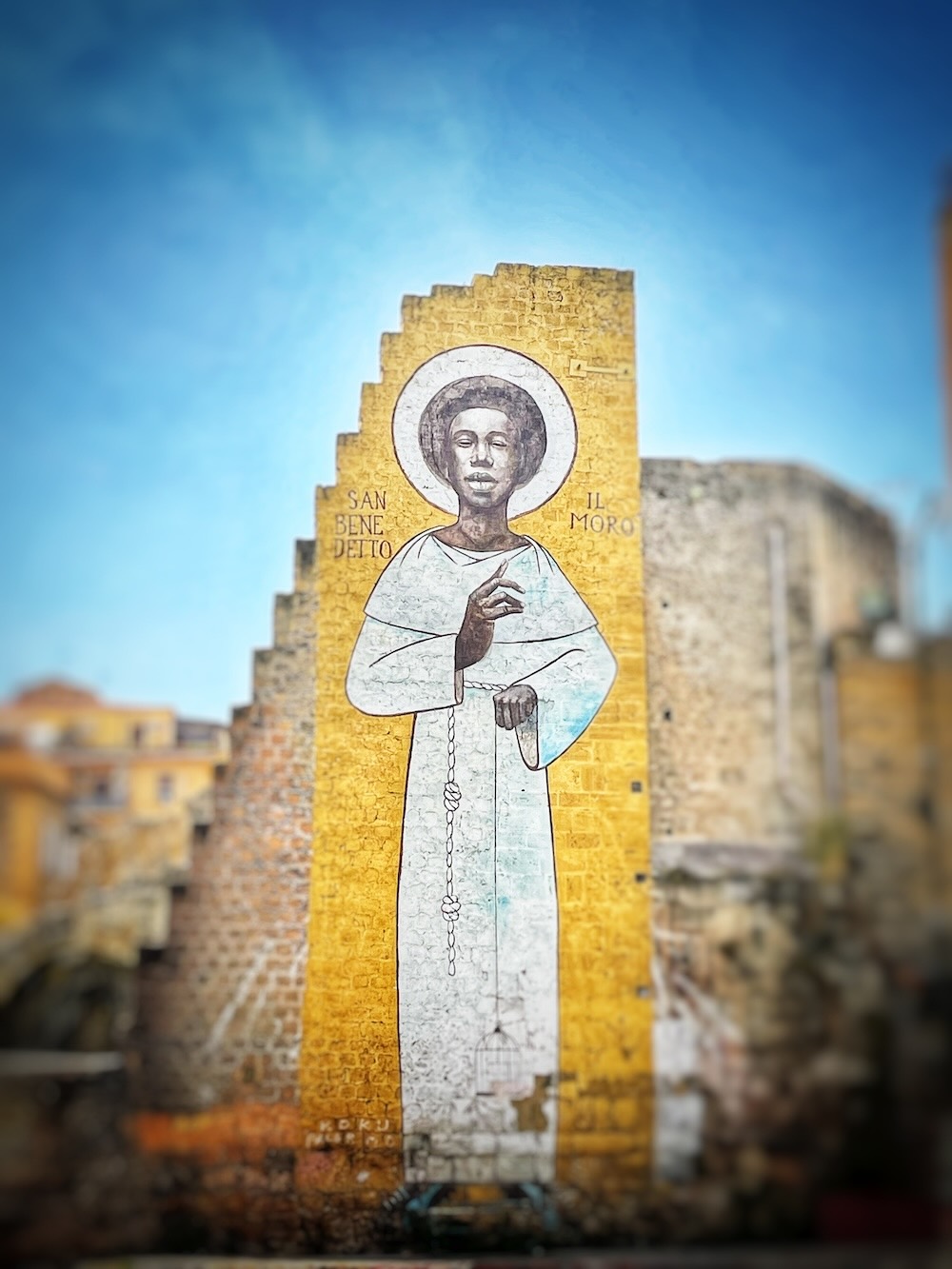
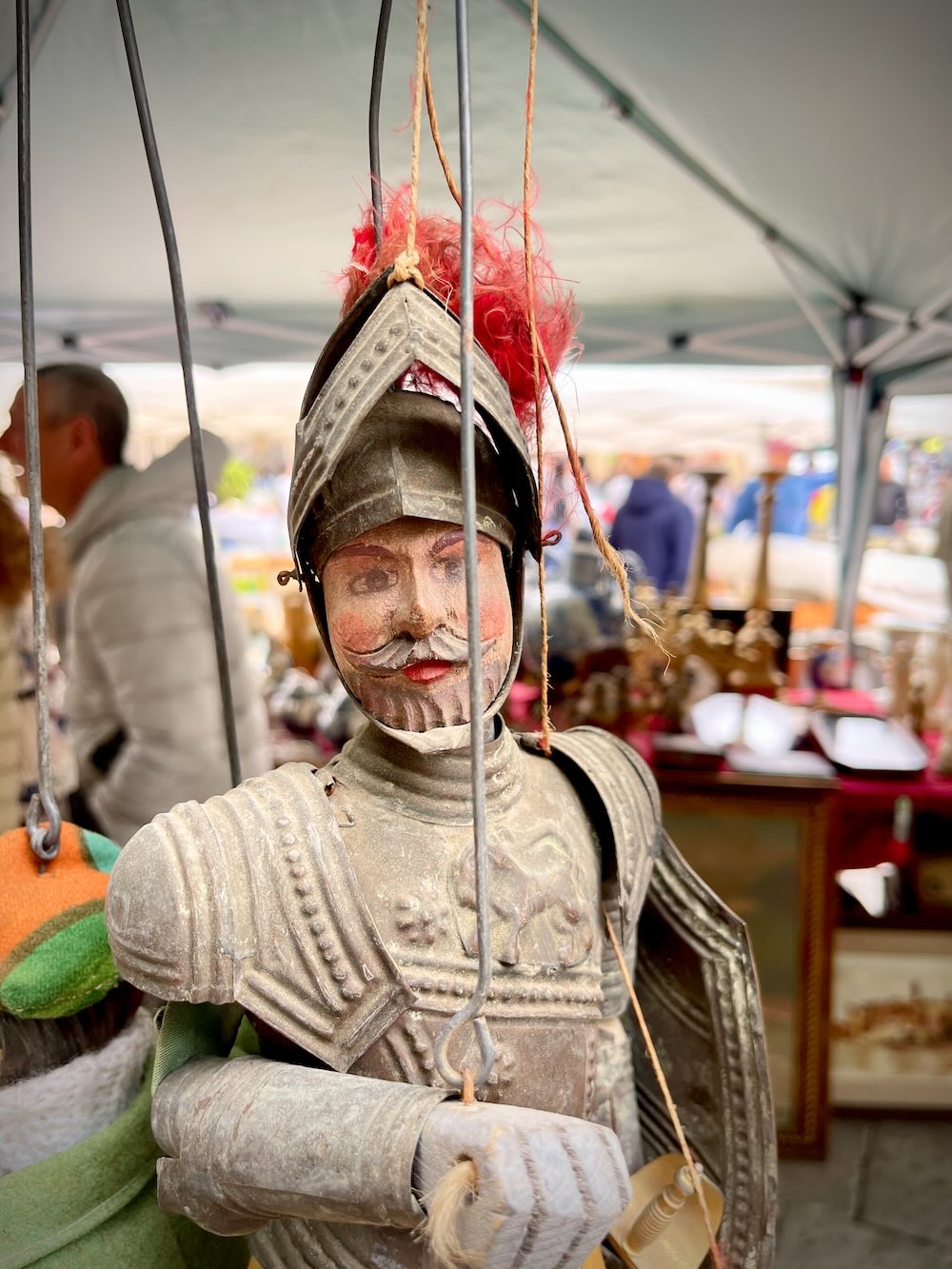
One of the most unique things to do in Palermo is experiencing Opera dei Pupi — Sicily’s traditional puppet theatre.
At Figli d’Arte Cuticchio, medieval knight puppets clash swords, perform dramatic battles and act out ancient heroic stories with complete seriousness.
Even without understanding Italian, the atmosphere is unforgettable. Dark theatre rooms, painted backdrops, metal armor and the sound of swords colliding create something that feels strange, beautiful and deeply Sicilian.
Right in the center of Palermo, near Quattro Canti, sits one of the city’s most beautiful hidden places.
Inside the old monastery of Santa Caterina, you walk through silent cloisters, former nun cells, baroque halls and peaceful courtyards before reaching the rooftop terrace.
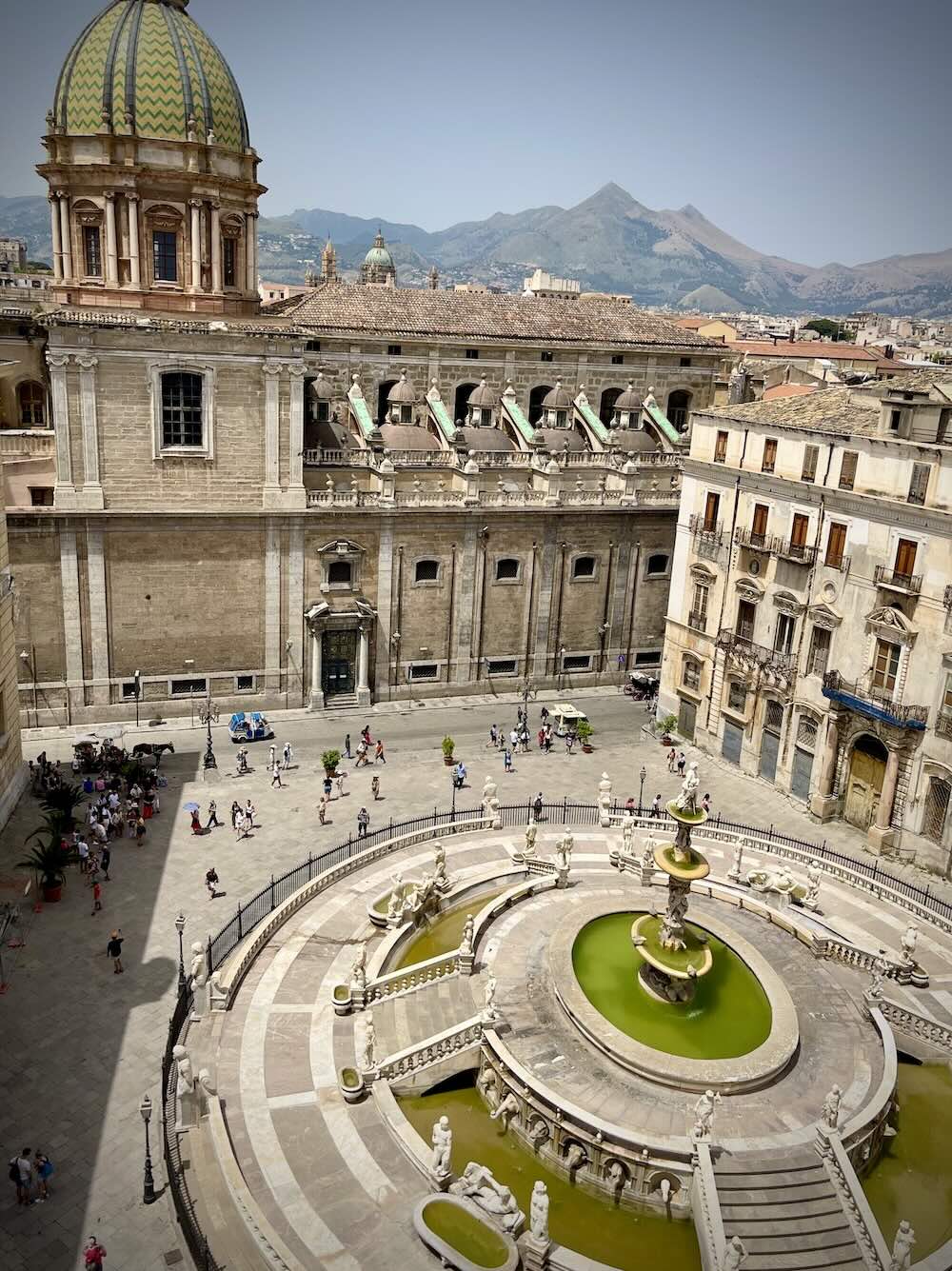
From above, Palermo becomes a landscape of domes, palm trees, faded facades, church towers and sea light stretching into the distance.
Inside the monastery you’ll also find a small bakery inspired by old convent recipes.
Here you can try almond pastries, cassata, marzipan fruit and traditional Sicilian sweets that still feel wonderfully old-fashioned.
Kalsa is one of the best areas in Palermo simply to wander.
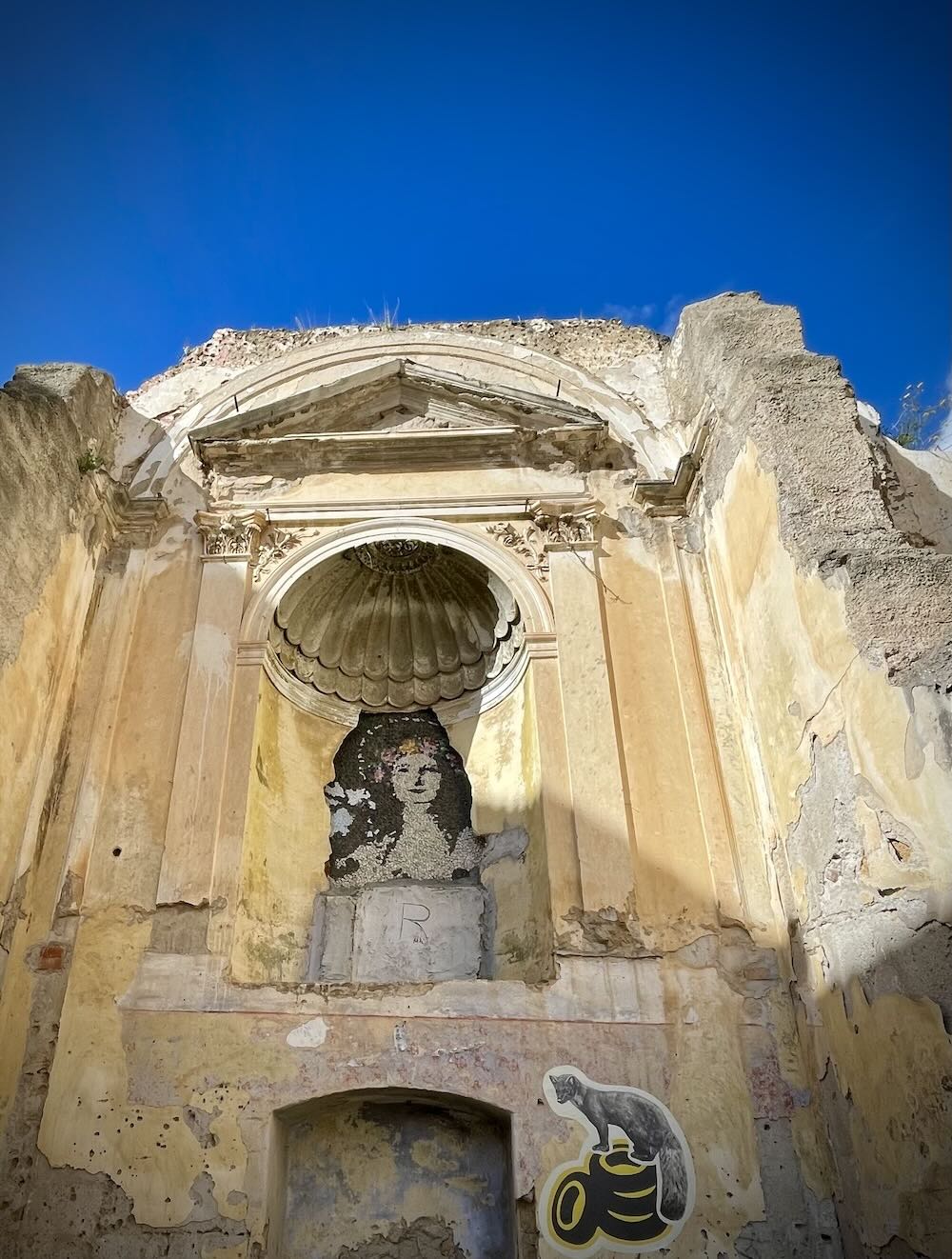
The neighborhood is filled with faded palazzos, tiny piazzas, plants hanging from balconies and small independent shops hidden in side streets. You’ll find ceramics, vintage stores, bookstores and quiet cafés scattered between old buildings that still carry traces of Palermo’s layered history.
The beauty of Kalsa is not one attraction. It is the atmosphere itself.
In the middle of Palermo, unexpectedly, there is also a small Swedish café called Ojdå.
It feels more Copenhagen or Stockholm than Sicily, with minimalist interiors, excellent coffee and Scandinavian pastries, including "Kanelbulla" (cinnamonbun) served in a calm and quiet atmosphere.
After Palermo’s markets, traffic and chaos, the contrast feels perfect.
All Palermo guides mention markets.
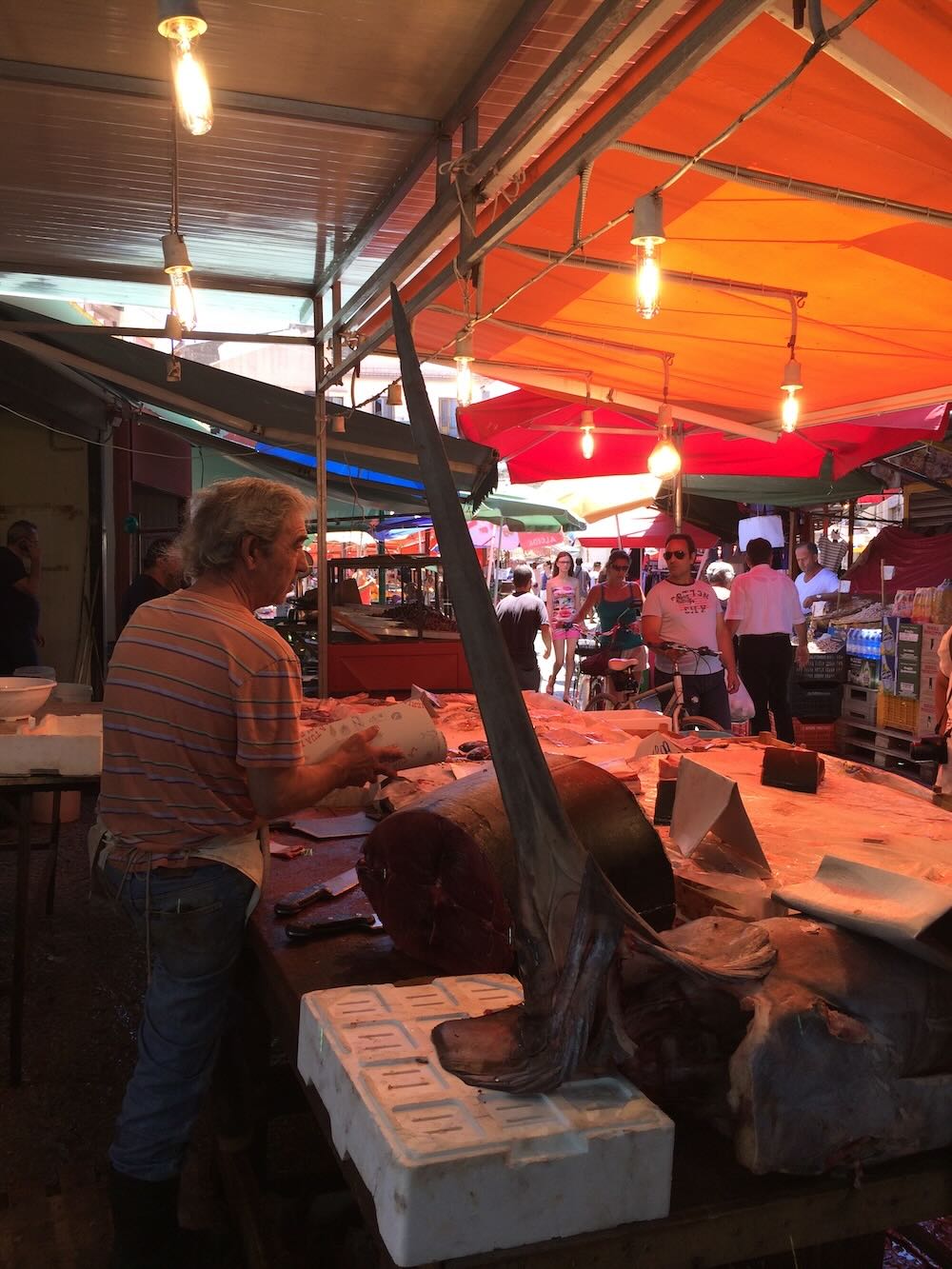
But Ballarò still feels the most alive. Fish, scooters, grilled food, shouting vendors, spices, smoke and fruit stands all merge together into something that feels more North African than European in the best possible way.
Go early while the market is still loud and chaotic.
Monreale is famous, but still somehow underrated.
Most visitors rush through the cathedral too quickly, yet the atmosphere around Monreale is just as beautiful as the mosaics themselves. Quiet streets, old cafés and panoramic views over Palermo and the sea make it worth slowing down and staying longer.
Inside the cathedral, the golden mosaics feel almost unreal.
Palermo becomes most beautiful when you stop trying to experience it efficiently.
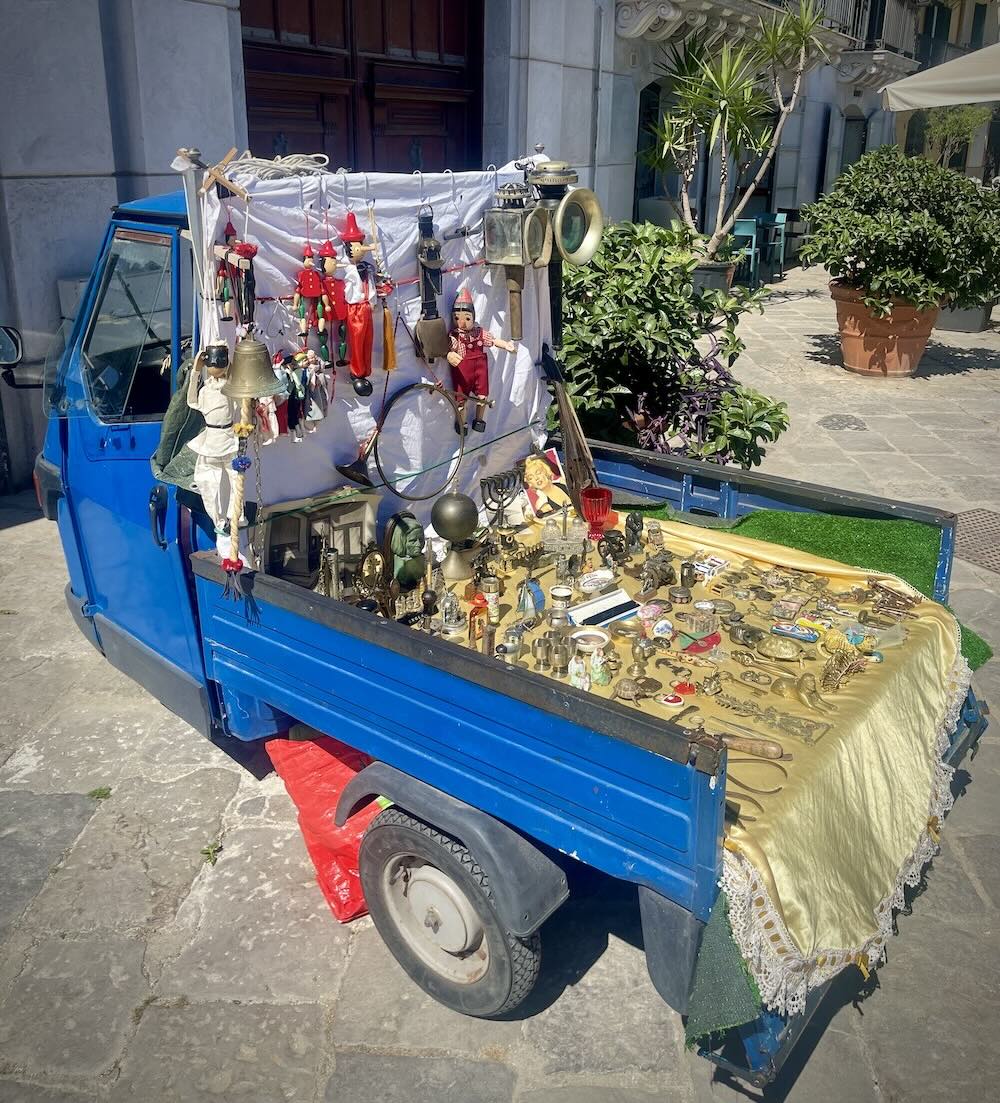
That is usually when you suddenly find a puppet theatre, a rooftop monastery, a Swedish café, an old market or a tiny shop filled with strange Sicilian objects you never planned to bring home.
One of Palermo’s strangest and most unforgettable places is the Capuchin Catacombs.
Beneath a monastery outside the historic center, thousands of mummified bodies line the walls: aristocrats, monks, children, doctors and entire families still dressed in their original clothes. Some look almost unreal in how well preserved they are.
It sounds macabre — and it is — but the catacombs also reveal something important about Sicily’s relationship with memory, religion and family. Death was not hidden away here in the same way as in Northern Europe. The catacombs feel less like a horror attraction and more like a surreal encounter with Palermo’s past.
Not everyone will enjoy it, but nobody forgets it.
AI Website Generator